
Volunteers give their time, energy, and heart without expecting a paycheck. For nonprofits, schools, hospitals, and community organizations, that generosity keeps programs running and people supported. And yet, a quick “thanks for helping” at the end of the day often falls short.
The right appreciation message changes that. A few sincere, specific words let a volunteer know their effort mattered and someone noticed. Whether you are writing a card, sending a note after an event, or speaking at an appreciation dinner, the message does not need to be long. It just needs to be real.
Why Does Saying Thank You to Volunteers Really Matter
Volunteers choose to show up. No contract holds them to your organization. No salary keeps them coming back. What does keep them coming back is feeling valued and knowing their effort made an impact.
A genuine thank you reinforces that connection. When someone gives up a Saturday to sort donations or mentor a student, hearing “your time mattered to us” turns a one-time favor into an ongoing relationship. Organizations that thank volunteers regularly tend to see stronger retention over time.
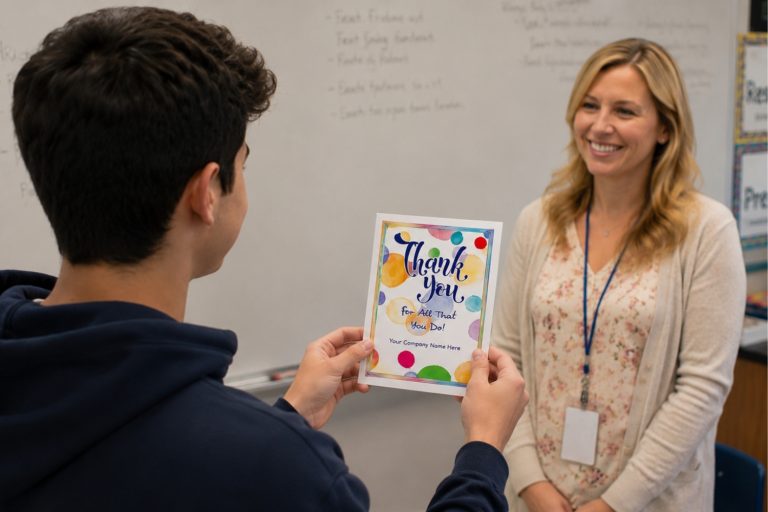
Appreciation does not need to be elaborate. A handwritten note or a thank you card placed in the mail can carry more weight than any gift card or plaque.
What Should You Write in a Volunteer Appreciation Message
The most meaningful messages are short, specific, and personal. Mention what the volunteer actually did, and connect it to the outcome. A vague “thanks for everything” is kind, but a message that names the contribution lands much deeper.
Example messages
- “Thank you for spending your afternoon at the food drive. Because of you, over 200 families received groceries before the weekend.”
- “Your patience with the kids at the reading program made such a difference. Several parents mentioned how much their children looked forward to your sessions.”
- “We could not have pulled off the gala without your help behind the scenes. You kept the evening running smoothly, and the team noticed.”
Start with the specific thing they did. End with the impact or how it made others feel. Keep it to three or four sentences.
How Do You Thank Volunteers at a Nonprofit or Community Event
Event-based volunteers often give a burst of energy for a single day or weekend. Because their commitment is concentrated, a prompt thank you carries extra meaning.
Example messages for event volunteers
- “Thank you for giving your Saturday to make our community cleanup happen. The neighborhood looks noticeably different because of your work.”
- “Your help at the registration table kept the morning running without a hitch. We are grateful for your calm and your smile.”
- “What a day! Thank you for jumping in wherever you were needed. Volunteers like you are the reason our annual fundraiser succeeds year after year.”
Send your appreciation within a few days of the event while the experience is still fresh. A card in the mail feels more thoughtful than a mass email weeks later.
What Makes a Thank You Card Better Than a Text or Email
An email gets read and forgotten. A text disappears in a thread. But a physical card sits on a kitchen counter or a desk, visible for days or even weeks.
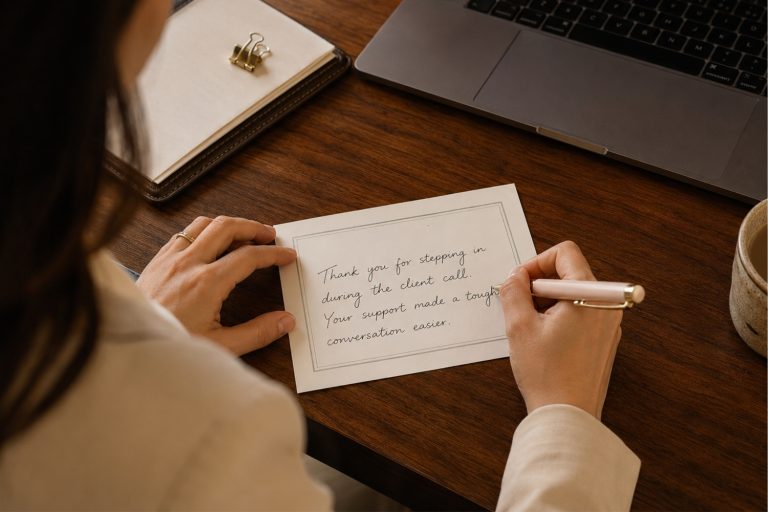
For organizations that rely on volunteers, sending a printed card signals something important: you took extra time for this person, just like they took extra time for you. A thank you card adds a personal touch that digital messages cannot match. When the card arrives in the mail with a handwritten note inside, it creates one of those feel-good moments that volunteers remember.
Nonprofits, schools, and healthcare organizations that keep a supply of premium thank you cards on hand can respond to volunteer contributions quickly and graciously. The same principle applies to businesses that thank clients and customers for their support, because gratitude builds loyalty no matter who receives it.
Can You Personalize Volunteer Thank You Messages for Different Roles
Absolutely. A message for someone who volunteered once at a weekend event should feel different from a note to a board member who has given years of service. Matching the tone and depth to the contribution makes the appreciation feel genuine.
For long-term volunteers
- “Over the past year, your dedication to our mentoring program has shaped the lives of so many young people. We are lucky to have you on our team.”
- “You have shown up week after week, rain or shine. Your commitment goes beyond volunteering. It is leadership.”
For healthcare and frontline volunteers
Hospitals, clinics, and senior care facilities often depend on volunteers to bring warmth and comfort to patients and families. For those in nursing or caregiving roles, a heartfelt message paired with nurse appreciation cards can acknowledge the emotional weight of their service.
- “Thank you for sitting with patients and families during some of their hardest days. Your kindness brings comfort that medicine alone cannot provide.”
- “The care you bring to the people in our facility goes far beyond your volunteer hours. We see it, and so do the people you help.”
How Can Organizations Build a Culture of Volunteer Appreciation
One thank you note is a nice gesture. A consistent habit of appreciation becomes part of your organization’s identity. When volunteers know they will be acknowledged, they tend to stay longer, recruit friends, and contribute more.
A few practical steps can help. Keep a stock of thank you cards ready so appreciation does not wait on a supply run. Assign a team member to write and send notes after events. Mention volunteers by name during meetings, in newsletters, and at annual gatherings.
At The Gallery Collection, premium thank you cards printed on quality paper stock with foil accents and sculpted embossing give organizations a polished way to say thank you. Add your organization’s name or logo, choose a sentiment for the inside, and send cards that reflect how much your volunteers mean to you. For someone who gave their time freely, knowing that you noticed can be the reason they come back again.
Frequently Asked Questions
Send your thank you within a few days of the volunteer’s contribution. Prompt recognition feels genuine, while waiting too long can make the gesture feel like an afterthought.
Avoid vague phrases like “thanks for everything” without any detail. Also avoid mentioning future asks or tasks in the same note. Keep the message focused on gratitude, not recruitment.
A good starting point is enough to cover your regular volunteer base plus extras for event-based helpers. Ordering in bulk often lowers the per-card cost and keeps you prepared for unexpected volunteer moments.
A pre-printed sentiment works as a starting point, but adding even one or two handwritten lines makes the card feel personal. Mention the volunteer’s name and something specific about their contribution.
Yes. Many companies sponsor community events, run employee volunteer programs, or partner with nonprofits. Sending thank you cards to volunteers who support those efforts strengthens the relationship between the company and the community.