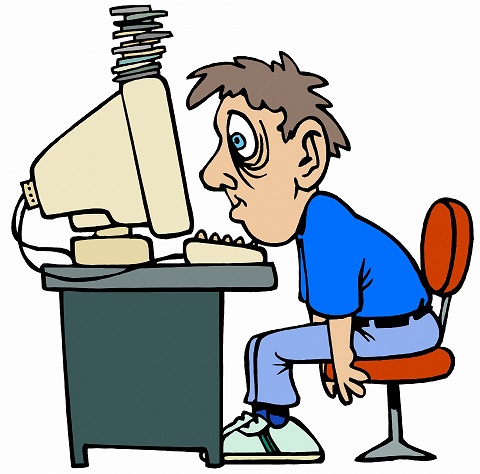
Late nights at the office are not fun. But sometimes a big deadline or a project that cannot wait will keep you at your desk well past sundown. When that happens, the way you handle those hours makes all the difference.
A few simple habits can help you stay sharp and get more done during those late stretches. Whether you are wrapping up a report or preparing materials for a morning meeting, these burning midnight oil tips will help you power through without crashing.
Why Do Long Nights at the Office Happen
Long work hours are part of professional life. Seasonal deadlines, client deliverables, and busy periods all create situations where the regular workday is not enough. For office managers preparing holiday mailings or HR teams organizing year-end recognition events, late nights are sometimes unavoidable.
The key is to handle them well so you stay productive, healthy, and ready for the next day.
How Can Staying Hydrated Help You Work Through the Night
Staying hydrated is the single most important thing you can do when working long hours. You will feel better, think more clearly, and avoid that foggy, light-headed feeling that creeps in after hours at a desk.
Keep a water bottle within arm’s reach and take small sips throughout the evening. Steady sips work better than gulping a full glass all at once. You will stay more alert without that bloated feeling, and you will not need to run to the bathroom every fifteen minutes.
If plain water feels boring, try herbal tea or water with a slice of lemon. Staying hydrated means staying focused, and staying focused means getting home sooner.
What Is the Best Way to Take Breaks During Long Work Hours
When you are burning the midnight oil, breaks are not optional. Get up. Walk around. Step outside for a minute of fresh air. Grab a cup of coffee or tea. Chat briefly with a coworker who is also pulling a late night.
Even small pauses matter. Looking away from your screen for sixty seconds can reduce eye strain and help you feel less drained. The 20-20-20 rule is a simple one to follow. Every twenty minutes, look at something about twenty feet away for twenty seconds. Your eyes will thank you.
Adjust your posture while you are at it. Slouching for hours will make you feel stiff and tired for no good reason. Sit up straight, roll your shoulders back, and stretch your neck. Any short break that fits your office will do, as long as you are moving.
Should You Eat Smart Snacks When Working Late
What you eat during a long night matters just as much as what you drink. Reaching for chips or candy bars might feel satisfying, but sugary and greasy snacks tend to cause energy crashes within an hour.
Instead, keep simple, healthy options nearby. Nuts, yogurt, fruit, or whole-grain crackers can give you steady energy without the crash. A mix of protein and fiber will keep your brain sharp and your stomach comfortable.
Timing matters too. A heavy meal right before a late session can make you sluggish. A lighter dinner followed by small snacks every couple of hours works better. Think of your snacks as fuel stops, not full meals.
How Can You Set Up Your Workspace for a Productive Late Night
Your environment plays a bigger role than you might think when you are working past regular hours. A cluttered desk, dim lighting, or a room that is too warm can drain your energy faster.
Before your late session begins, take five minutes to set up your space. Clear away anything you do not need. Make sure your lighting is bright enough to keep you alert. If your office allows it, open a window or adjust the thermostat to keep the room slightly cool. A cooler room tends to help you stay awake.
If you have a playlist that helps you concentrate, put it on at a low volume. Background music can make repetitive tasks feel less draining.
How Can You Conserve Energy and Avoid Burnout
Pacing yourself is one of the most valuable tips for long nights at work. If you know a late evening is ahead, do not sprint through the first few hours only to hit a wall later.
Steady effort wins over bursts of energy followed by exhaustion. Break your remaining work into smaller tasks and tackle them one at a time. Crossing items off a short list feels more rewarding than staring at one massive to-do that seems endless.
Prioritize the work that matters most. Handle your most important tasks first, while your focus is still strong. Save easier or routine tasks for later when your energy dips.
How Do You Know When It Is Time to Stop
At a certain point, you will stop being productive. Your typing will slow down. Your thinking will get fuzzy. Mistakes will start to pile up.
Knowing when to stop is just as important as knowing how to keep going. If you catch yourself reading the same paragraph three times or staring at a sentence without processing it, that is your signal. Call it a night and come back to it fresh.
Sometimes the smartest move is closing your laptop and getting a good night of sleep. The work will still be there in the morning, and you will handle it better after some rest.
Why Does Recognizing Your Team’s Late Night Effort Matter
When your team puts in extra hours to meet a deadline, that effort deserves to be noticed. A late night at the office can leave people feeling tired and unappreciated, especially if it happens more than once.
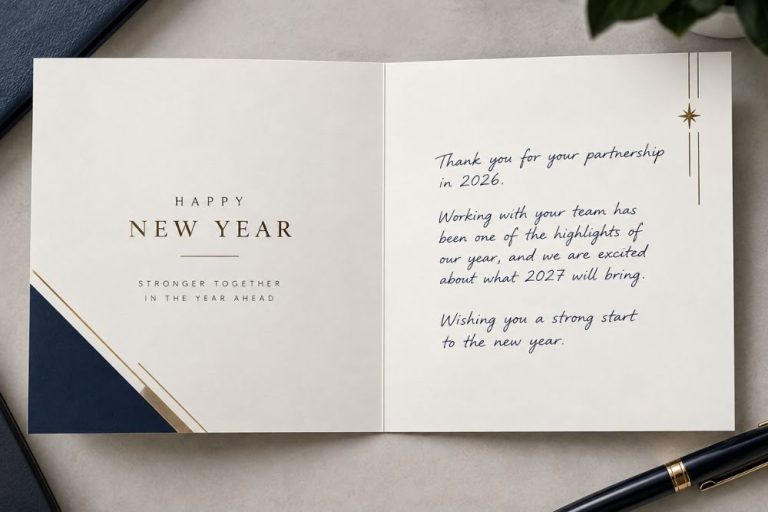
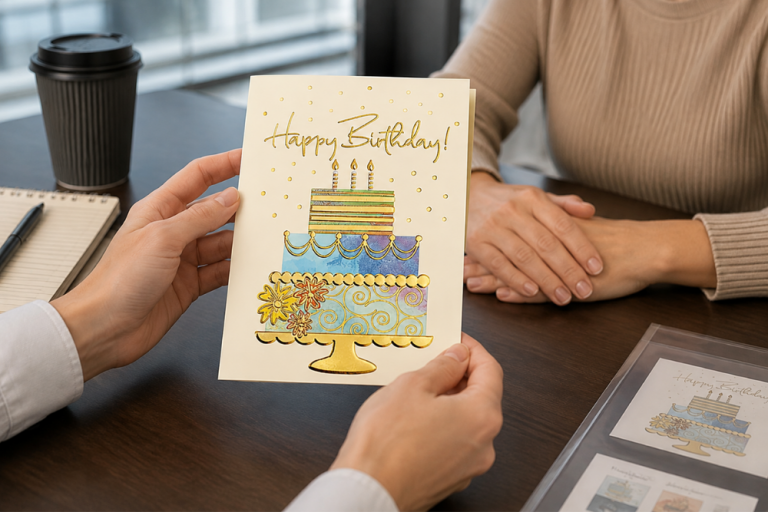
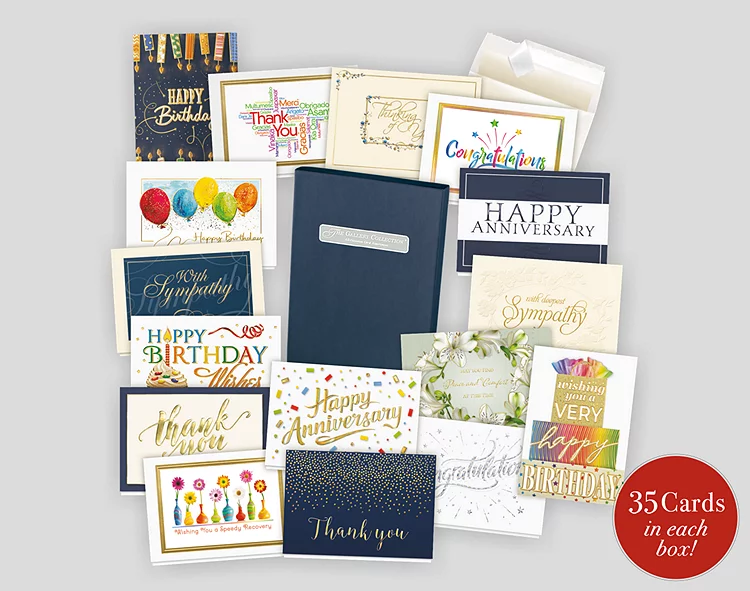
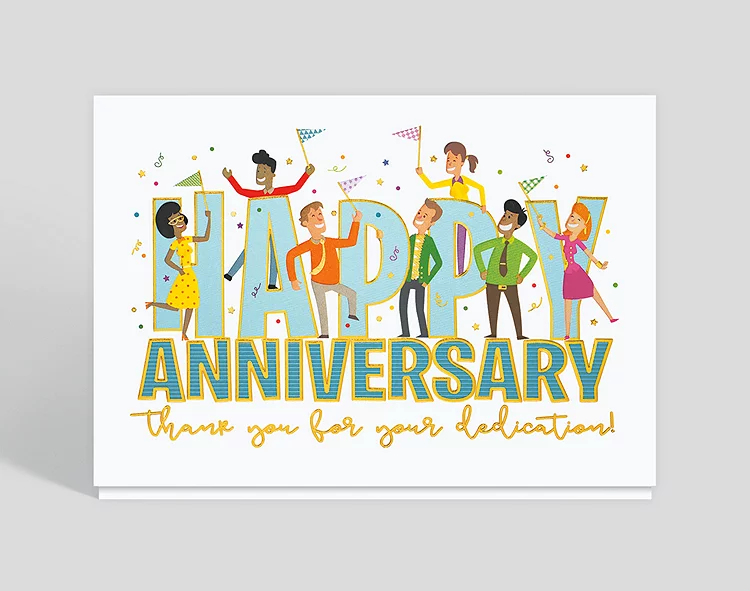
A simple gesture goes a long way. Sending a thank you card the next morning or acknowledging the effort in a team meeting can boost morale and strengthen workplace relationships.
For managers and HR teams, building a habit of recognizing hard work is one of the easiest ways to improve employee retention. A thoughtful greeting card that says “your effort matters” can make someone’s entire week after a tough stretch. Recognition does not need to be expensive. A genuine acknowledgment at the right moment can be more meaningful than any bonus.
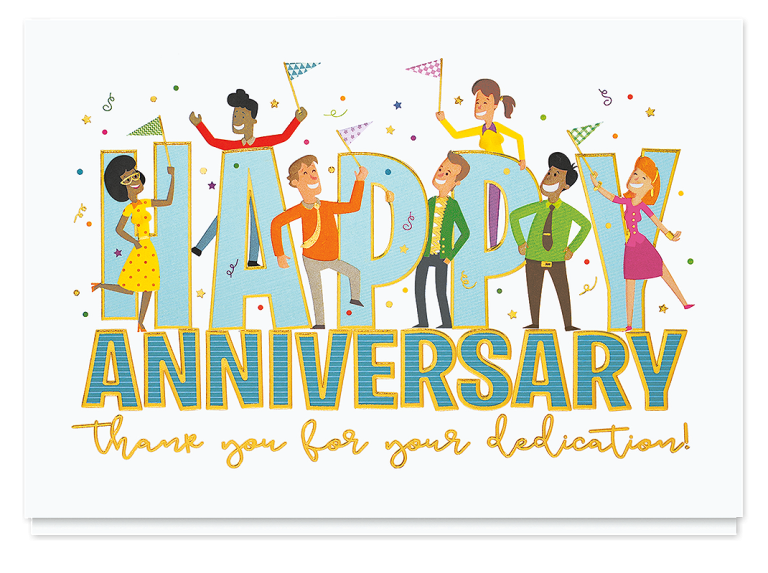
Companies that invest in employee appreciation through personal touches, like a card celebrating a team accomplishment, tend to build stronger workplace cultures over time.
Frequently Asked Questions
Burning the midnight oil means working late into the night, usually to meet a deadline or finish an important task. The phrase comes from a time when people used oil lamps to light their workspace after dark.
Stay hydrated, take regular breaks, eat healthy snacks, pace your workload, and set up a clean and well-lit workspace. Knowing when to stop is equally important so you can rest and return with fresh energy.
Drink water throughout the evening, move your body during short breaks, and keep healthy snacks nearby. Break your tasks into smaller pieces and handle the most important work first while your focus is strongest.
A cup or two of coffee can help you stay alert, but overdoing caffeine can leave you jittery and make it harder to sleep later. Balance coffee with plenty of water and avoid caffeine in the final hours of your shift.
A handwritten thank you card, a quick message of appreciation, or a mention in a team meeting can go a long way. Small, genuine gestures of recognition help employees feel valued after putting in extra effort.