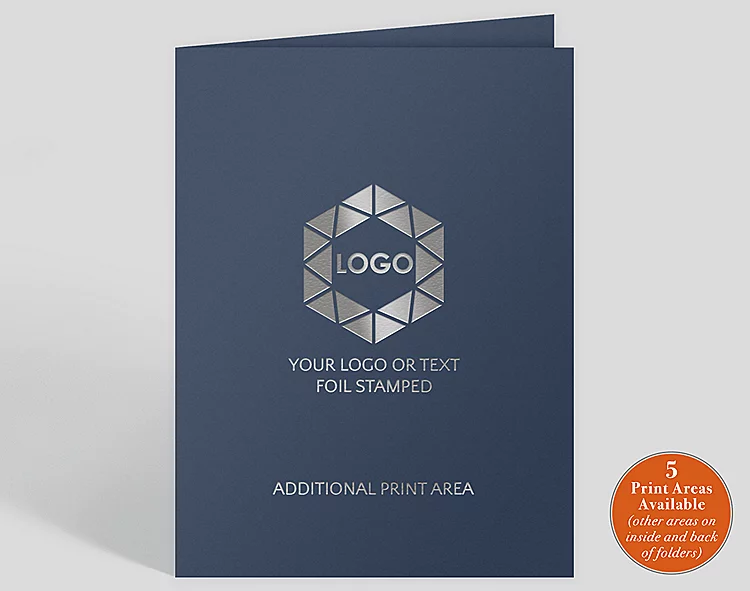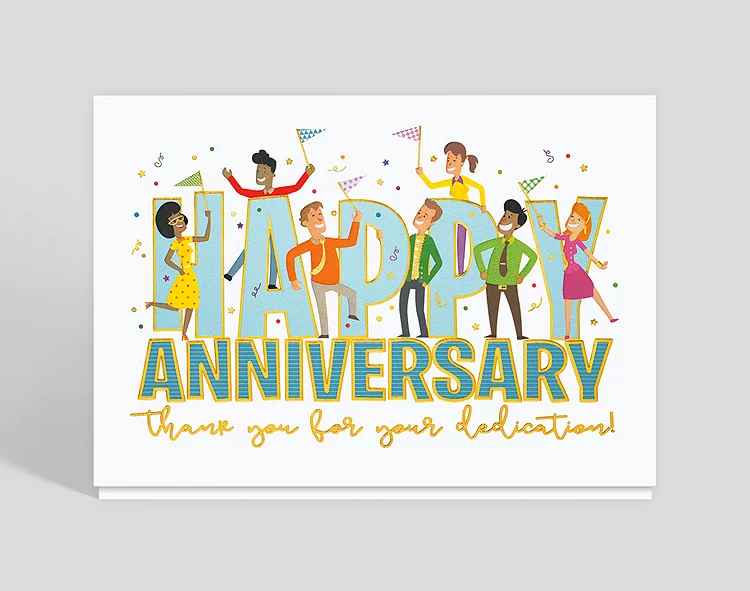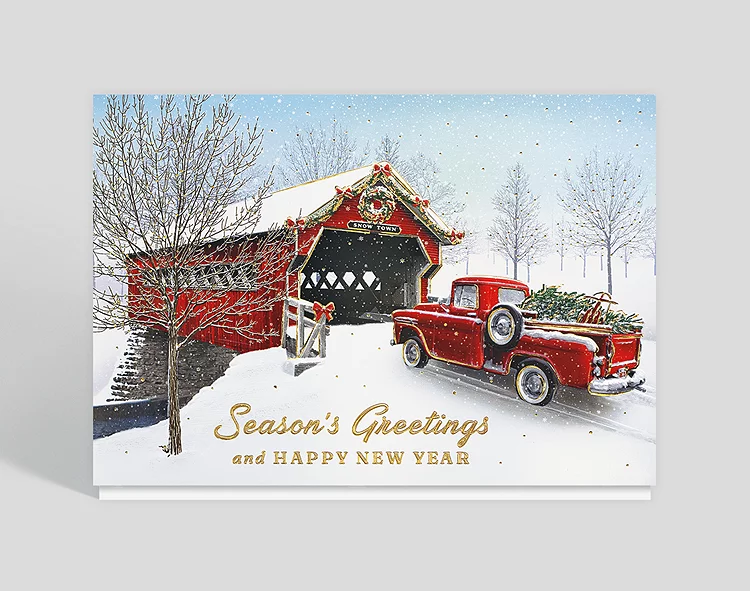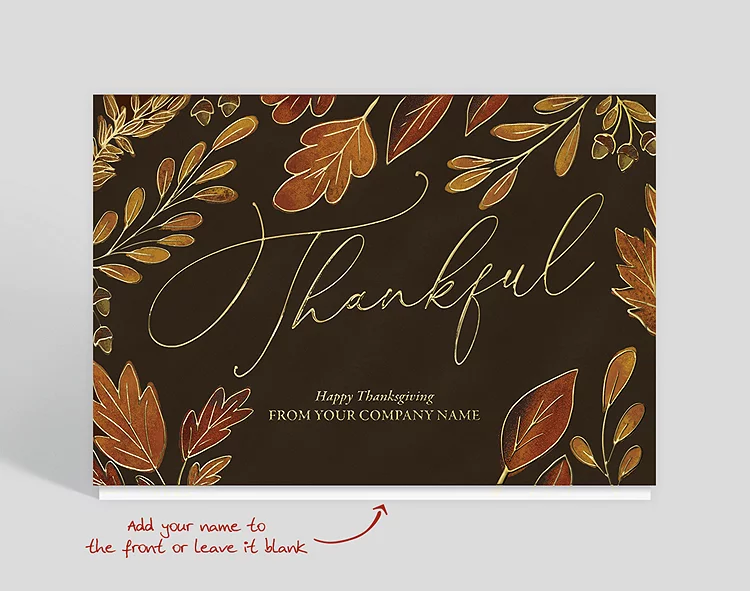
Each year, the same question pops up in business forums and budget meetings. Do business holiday cards actually work, or is the whole tradition a waste of money? With free e-cards and email templates a click away, spending real dollars on printed cards can feel hard to justify.
Here is the honest answer. Physical cards are not just a nice tradition. They are one of the most effective, low-cost ways to strengthen business relationships during the busiest season of the year. And the data backs that up.
Why Do Business Holiday Cards Actually Work for Retention
The case for business holiday cards comes down to something simple. Physical cards get noticed, and digital messages do not.
An email sits in a crowded inbox for minutes before it gets archived or deleted. A premium printed card sits on a desk, a counter, or a mantel for weeks. That kind of staying power matters when the goal is to keep your business top of mind heading into a new year.
Survey data from VistaPrint found that 53% of respondents prefer receiving a physical card over a digital one. Nearly half said a business holiday card kept the sender top of mind for future needs. And about half said receiving a card reinforced a positive impression of the company that sent it.
Those numbers point to something digital greetings struggle to deliver. A physical card signals effort, intention, and care. An e-card signals that someone clicked a button.
How Do Physical Cards Compare to E-Cards for Business
When you look at physical cards vs. e-cards side by side for business, the differences go beyond preference.
Visibility
An email or e-card competes with dozens of other messages on the same screen. A printed card with sculpted embossing and foil accents stands out physically. There is no “mark as read” button on a card sitting next to someone’s coffee mug.
Perceived value
A free e-card feels free. A premium printed card feels like a deliberate investment. For clients and partners evaluating whether your company pays attention to details, the card you send says something about how you operate.
Shelf life
E-cards disappear in a scroll. Physical cards stay visible for days or weeks. Many recipients display them at home or in the office during the holiday season, which means your brand stays present long after the card arrives.
Personal touch
A handwritten note inside a printed card carries weight that a typed email signature cannot match. According to that same VistaPrint survey, 63% of recipients said a handwritten message or signature made a business card feel significantly more meaningful.
What Makes Corporate Christmas Cards Worth the Budget
Budget skeptics often frame this as a cost question. But corporate Christmas cards are one of the least expensive forms of client outreach available.
A premium Christmas card from The Gallery Collection starts at around $1.41 per card in bulk. Compare that to the cost of a client lunch, a branded gift, a digital ad campaign, or even a monthly email platform subscription. For the price of a single pay-per-click ad, you can put a tangible, branded greeting into the hands of a dozen clients.
The return is not measured in clicks or impressions. The return shows up in renewed contracts, repeat purchases, and referrals that happen because a client remembered your name at the right moment. Roughly half of surveyed card recipients said a holiday card made them more likely to continue doing business with the sender. That is a retention signal most digital campaigns would struggle to match at the same price point.
Who Benefits Most from Sending Physical Cards Over E-Cards
The physical cards vs. e-cards business debate matters most for companies that rely on long-term relationships.
- Small business owners who compete against larger companies on service and personal attention. A printed card reinforces that personal touch in a way a mass email cannot.
- Professional service firms like accountants, financial advisors, and consultants where trust and consistency drive retention. A Merry Christmas card with a handwritten note reminds clients that your firm values the relationship beyond the billable hour.
- B2B companies with a defined client list. When you know your top 50 or 100 accounts by name, a physical card is one of the simplest and most affordable ways to touch each relationship before the year ends.
- HR and office managers building internal culture. Sending holiday cards to employees, especially remote team members, creates a moment of connection that a Slack message or company-wide email does not replicate.

Path to Christmas Holiday Card
View Card
First Christmas Blessing Holiday Card
View Card
Song of the Angels Christmas Card
View Card
Watercolor Christmas Forest Card
View CardHow Can You Make Business Holiday Cards More Effective
Sending a card is a good start. Sending the right card makes the difference between a nice gesture and a lasting impression.
Choose quality that reflects your brand
A thin, generic card sends the wrong message. Premium paper with foil accents and embossing signals that your business values quality in everything it touches. The Gallery Collection has been producing premium business cards since 1929, with options for logo imprinting, custom sentiments, and coordinating envelopes.
Add a personal touch
Even a one-line handwritten note turns a printed card into something recipients remember. “Thank you for a great year” written by hand lands harder than any pre-printed message.
Send on time
Cards arriving after the holidays lose their impact. Aim to have them in the mail by early December. That means ordering by October or early November to allow time for customization and shipping.
Be inclusive
If your client list spans different traditions, a “Season’s Greetings” or “Happy Holidays” card gives you broad coverage. Holiday cards with non-denominational designs work well for diverse audiences.
Why Are More Businesses Choosing Physical Cards Again
The irony of digital communication is that it has made physical gestures stand out more, not less. When inboxes overflow with automated messages, a printed card feels rare. That rarity is exactly what gives it power.
Businesses that send holiday cards are not clinging to an outdated tradition. They are using a proven, affordable tool to do something most marketing channels struggle with. They are making clients, employees, and partners feel genuinely valued.
In a landscape where most business communication disappears in seconds, a card that sits on a desk for three weeks is not just a greeting. It is a competitive advantage.
Frequently Asked Questions
Yes. Premium printed cards start at around $1.41 per card in bulk, making them one of the most affordable forms of client outreach. The return comes through stronger relationships, repeat business, and referrals rather than clicks or impressions.
Survey data suggests they do. A VistaPrint study found that 53% of respondents prefer physical cards, while only 9% prefer digital alternatives. Physical cards also tend to stay visible longer, keeping your business top of mind.
Order by October or early November to allow time for customization, logo imprinting, and shipping. Cards should be in the mail by the first week of December to arrive before the holiday.
That depends on your audience. “Happy Holidays” and “Season’s Greetings” work well for a diverse client base. “Merry Christmas” is a natural choice when you know your recipients well and it fits the relationship.
Keep the message focused on gratitude, not promotion. Add your company logo to the front for brand consistency, choose a warm sentiment for the inside, and write a brief handwritten note when possible. Skip any language about products, services, or offers.