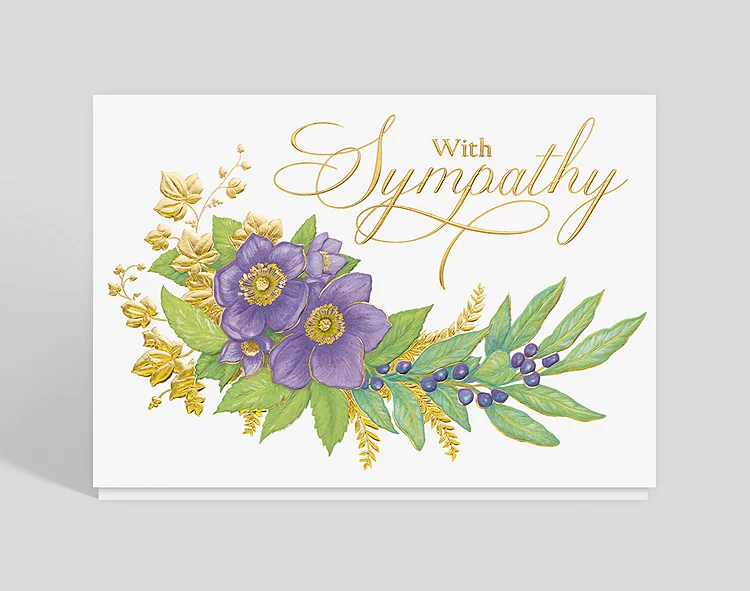
Sending a sympathy card is one of the kindest things you can do when someone experiences a loss. But once you have written your message inside, two questions tend to stop people in their tracks: how do you address the envelope, and how do you close the card?
Both steps feel small, yet getting them right shows real care. A properly addressed envelope makes sure the card reaches the right person. A thoughtful closing line leaves the reader with comfort rather than confusion. Here is a straightforward guide to handling both.
How Do You Address an Envelope for a Sympathy Card
Knowing how to address a sympathy card envelope starts with one simple question: who are you sending the card to?
When you know the bereaved personally. Address the envelope directly to the person you want to comfort. Use their full name on the front. If you are close to both a spouse and the person who lost a loved one, you can address the card to both of them.
When you knew the deceased but not the family. Address the card to the closest surviving relative, such as a spouse or adult child. A line like “Mr. John Smith” or “The Smith Family” works well when you are unsure of the family structure.
When sending on behalf of your company. Use the same approach. Address the envelope to the individual who experienced the loss. If the card comes from your team or organization, the group signature goes inside the card, not on the envelope.
A few more envelope tips to keep in mind:
- Use the recipient’s formal name on the envelope. Save nicknames for the message inside.
- Write the address by hand in blue or black ink. A handwritten envelope feels more personal than a printed label.
- Add your return address to the upper left corner or the back flap of the envelope.
Should You Use Formal or Casual Titles on a Sympathy Card Envelope
The level of formality depends on your relationship with the recipient. For a close friend, using their first and last name feels natural. For a business associate, client, or someone you do not know well, a title like “Mr.,” “Mrs.,” or “Ms.” followed by their last name shows extra respect.
When in doubt, lean formal. A sympathy card is a moment where politeness carries more weight than usual. Following sympathy card etiquette helps your gesture land the way you intend it to.
What Is a Good Way to End a Condolence Card
Once your message is written, the closing line wraps everything together. A strong sympathy card closing line should feel warm, simple, and sincere.
Here are sign-off lines that work well for personal sympathy cards:
- “With heartfelt sympathy,”
- “With love and support,”
- “Thinking of you and your family,”
- “With warm thoughts and prayers,”
- “Holding you close in my thoughts,”
And here are closings that suit professional or business sympathy cards:
- “With sincere condolences,”
- “With deepest sympathy,”
- “Our thoughts are with you,”
- “With care and respect,”
- “From all of us at [Company Name],”
After your closing line, sign your full name. In a professional setting, you may want to include your title or department so the recipient can place who the card is from.
How Do You End a Condolence Card When Signing as a Group
Group sympathy cards are common in the workplace, and they call for a slightly different approach. Start with a shared closing like “With heartfelt sympathy from the entire team” or “Our sincere condolences from [Company Name].” Then each person can add a brief personal note and sign their name beneath.
For tips on keeping group messages genuine and balanced, the Gallery Collection blog has a helpful guide on writing meaningful sympathy cards that covers tone, length, and sign-off examples.

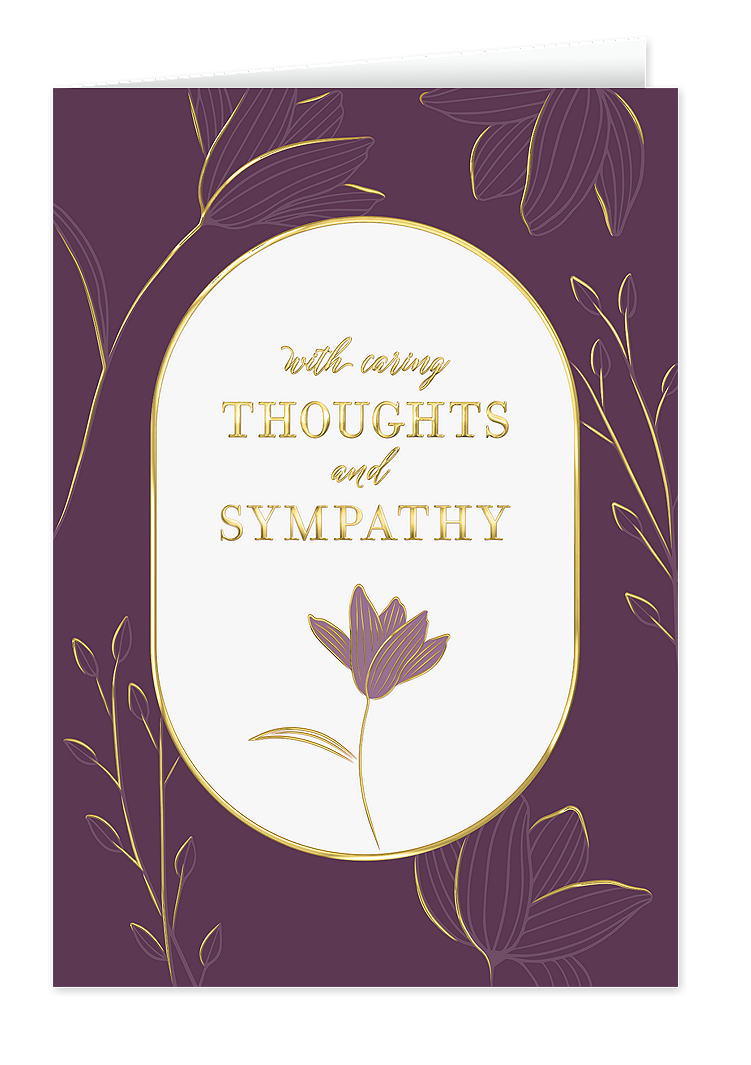
With Deepest Sympathy Elegance Card
View Card
Elegant Sympathy Card
View Card
Serene Floral Sympathy Card
View Card
Healing Sympathy Card
View CardWhat Sympathy Card Closing Lines Should You Avoid
Not every closing fits a sympathy card. Phrases that sound too casual or too cheerful can feel out of step with the occasion.
Lines to skip:
- “Take care!” or “Cheers” sound too upbeat for a condolence card.
- “Everything happens for a reason” can feel dismissive of real grief.
- “Let me know if you need anything” is well-meaning but vague. Offering something specific, like “I will drop off dinner on Thursday,” carries more weight.
Sticking with a simple, heartfelt closing avoids any missteps. For more on what to include and what to leave out, the Gallery Collection blog covers common dos and don’ts for sympathy cards that apply to both the message and the sign-off.
Does Timing Matter When You Send a Sympathy Card
Yes. Etiquette suggests sending a sympathy card within two weeks of learning about a death. But a late card is still worth sending. Grief does not have a deadline, and a card that arrives weeks or even months later can bring unexpected comfort, especially after the initial wave of support fades.
The Gallery Collection offers guidance on when to send condolence cards and notes that a late card does not add to someone’s pain. The person already carries their loss every day. Your card simply reminds them that someone still cares.
Can a Premium Sympathy Card Make Your Message Feel More Meaningful
The words inside the card carry the most weight, but the card itself matters too. A flimsy, mass-produced card sends a different signal than one printed on quality paper with foil accents and sculpted embossing.
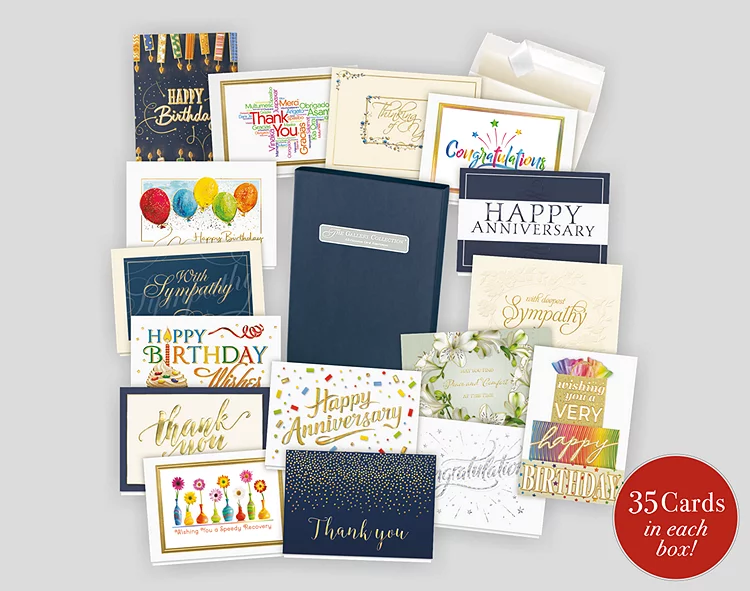
The Gallery Collection offers business sympathy cards in more than 125 designs, including religious, floral, and memorial styles. Add your company name, logo, and a personal sentiment to create a card that reflects the care behind your message. With a heritage dating back to 1929, The Gallery Collection has been helping businesses turn sensitive moments into genuine gestures of support.
Frequently Asked Questions
Address the card to the closest surviving relative of the deceased, such as their spouse or an adult child. “The [Last Name] Family” also works when you are unsure of individual names.
“With sincere sympathy” or “With deepest condolences” are safe and respectful choices for a professional relationship. Follow the closing with your full name and, if helpful, your department or team.
Yes. A handwritten envelope in blue or black ink feels more personal than a printed label. Handwriting signals that you took real time with the gesture.
No. A sympathy card is welcome at any point. A card that arrives after the initial rush of support can mean even more to someone who is still grieving.
Use a shared closing like “With sincere sympathy from all of us at [Company Name],” followed by individual signatures or a team name. Each person can add a short personal note if the card has room.