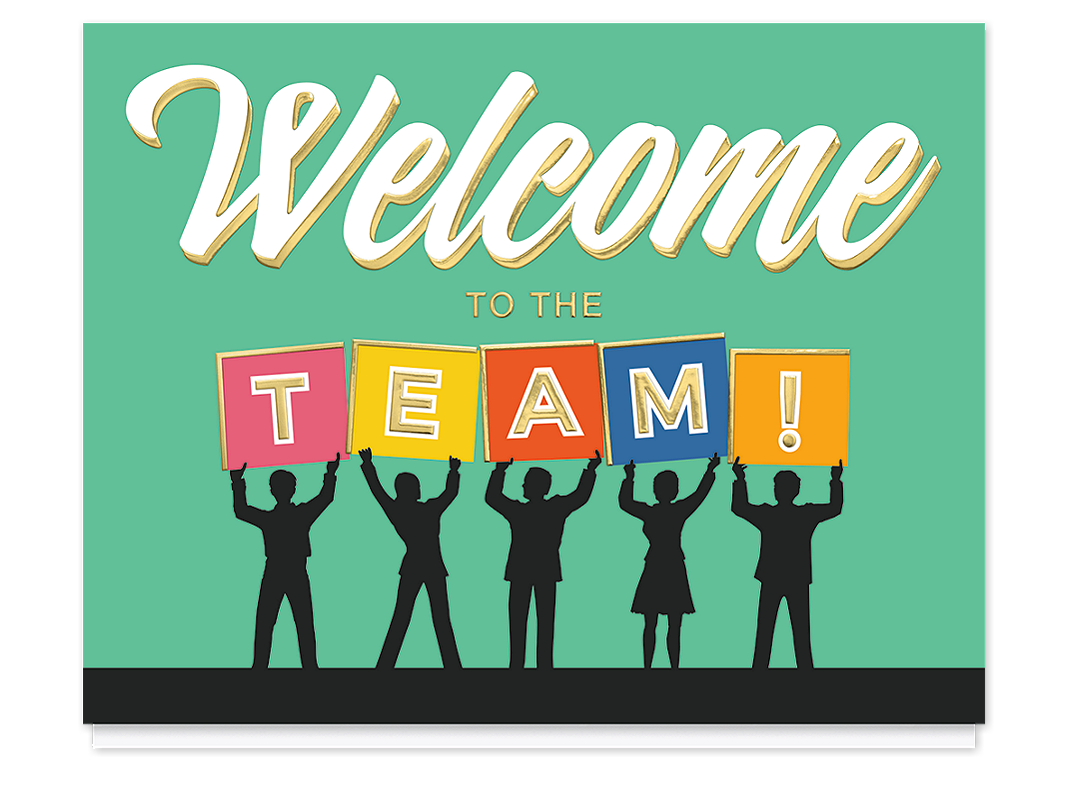
The first days of a new job often shape an employee’s perception of an organization. Employee welcome cards are a simple but effective way to help new hires feel valued, appreciated, and excited about joining the team. While onboarding typically focuses on training, paperwork, and company policies, successful businesses understand that helping employees feel welcomed is just as important.
New hires are learning how the company operates, meeting coworkers, and adjusting to unfamiliar routines. During this transition, small gestures can have a meaningful impact. A thoughtful welcome card may seem simple, but it can help employees feel recognized, appreciated, and excited about joining the team.
Whether included in a welcome package, presented on the first day, or mailed before an employee starts, a personalized card can help set the tone for a successful working relationship.
Why Employee Welcome Cards Matter
Every interaction during onboarding sends a message about your organization. New employees quickly form opinions about the workplace, leadership team, and company culture based on their early experiences.
When onboarding focuses solely on administrative tasks, employees may feel like they’re simply moving through a process. A welcome card adds a human element. It communicates that the company values people, not just positions.
For many organizations, employee welcome cards serve as an extension of their workplace culture. They demonstrate appreciation, professionalism, and a commitment to building strong relationships from the start.
While a welcome card won’t determine whether an employee stays with a company long-term, it can contribute to a more positive onboarding experience and help new hires feel comfortable during those important first days.
How Welcome Cards Support Employee Onboarding
Effective onboarding is about more than helping employees understand their responsibilities. It’s also about helping them feel connected to the organization and confident in their decision to join.
A welcome card supports that goal in several ways.
Reducing First-Day Anxiety
Starting a new job can be stressful, even for experienced professionals. Employees often arrive with questions about expectations, workplace culture, and how they will fit into the team.
A warm welcome message can help ease those concerns and reassure employees that they are joining an organization that values their contributions.
Reinforcing Company Culture
Company culture is built through actions, not just statements. A personalized welcome card helps demonstrate the values your organization wants employees to experience, whether that’s teamwork, appreciation, professionalism, or collaboration.
When managers and team members take the time to welcome a new hire, it reinforces the type of workplace environment the company strives to create.
Helping Employees Feel Included
One of the biggest challenges for new employees is developing a sense of belonging. A welcome card can help bridge that gap by creating an immediate connection between the employee and the organization.
This can be particularly valuable for remote and hybrid employees who may not have as many opportunities for face-to-face interactions during their first weeks.
When to Give Employee Welcome Cards
There is no single right time to present a welcome card. The most effective approach is often the one that fits naturally into your onboarding process.
Many businesses choose to send or present welcome cards:
- After a job offer has been accepted
- Before the employee’s first day
- As part of a welcome package
- During orientation
- During the employee’s first week
For remote employees, mailing a welcome card can be a thoughtful way to create a personal connection before they begin working with the team.
The key is timing. The closer the card is delivered to the start of employment, the more meaningful it is likely to feel.
What to Write in an Employee Welcome Card
One of the most common questions managers have is what to say in a welcome card.
Fortunately, the message doesn’t need to be long or elaborate. The most effective welcome messages are often simple, sincere, and encouraging.
A good employee welcome message typically includes:
- A warm welcome to the company
- Enthusiasm about the employee joining the team
- Confidence in their future success
- Encouragement as they begin their new role
Whenever possible, personalize the message. Including the employee’s name, position, or department can make the card feel more genuine and memorable.
Employee Welcome Card Message Examples
From a Manager
Welcome to the team! We are excited to have you join us and look forward to the skills, ideas, and enthusiasm you’ll bring to your new role. Wishing you every success as you get started.
From the Team
We’re thrilled to welcome you to our team. We look forward to getting to know you, working together, and helping you feel right at home. Welcome aboard!
For a New Employee
Congratulations on your new position. We’re excited to have you with us and look forward to supporting your growth and success in the years ahead.
For a Remote Employee
Although we’re not all in the same location, you’re an important part of our team. Welcome, and we’re excited to begin working with you.
Short Welcome Messages
- Welcome to the team—we’re glad you’re here.
- We’re excited to have you join us.
- Wishing you success as you begin your new role.
- Welcome aboard and best wishes for a great start.
- We’re looking forward to working with you.
Creating a Memorable First-Day Experience
A welcome card is most effective when it’s part of a broader effort to help employees feel supported from the start.
Businesses that excel at onboarding often focus on creating a positive experience throughout an employee’s first week. In addition to welcome cards, this might include team introductions, structured training plans, mentorship opportunities, and regular check-ins.
These efforts help employees feel more comfortable asking questions, building relationships, and becoming productive members of the team.
The goal isn’t to create a perfect onboarding experience. It’s to make employees feel prepared, supported, and welcomed as they begin a new chapter in their careers.
Choosing Employee Welcome Cards for Your Business
The right welcome card should reflect your company’s culture and professional image.
Some businesses prefer classic and elegant designs, while others choose more modern or creative styles. Regardless of the design, the card should feel authentic to your organization and appropriate for the recipient.
Many companies personalize their welcome cards with:
- Company logos
- Employee names
- Customized greetings
- Manager signatures
- Team messages
Personalized employee welcome cards allow businesses to create a consistent onboarding experience while still making each new hire feel individually recognized.
Frequently Asked Questions
An employee welcome card should express enthusiasm about the new hire joining the team, offer encouragement, and help the employee feel appreciated as they begin their new role.
Many businesses give welcome cards before the employee’s first day, during orientation, or as part of a welcome package on the first day of work.
Yes. A personalized note or signature from a manager can make the card feel more meaningful and demonstrate genuine support for the new employee.
Absolutely. Welcome cards can help remote employees feel connected to the organization and reinforce that they are valued members of the team.
Most welcome messages are short and concise. A few sincere sentences are often enough to make a positive impression.
Start Employee Relationships on the Right Note
The onboarding process plays an important role in shaping an employee’s experience with a company. While training and orientation are essential, the personal touches are often what employees remember most.
A thoughtful welcome card helps new hires feel recognized, appreciated, and included from the very beginning. Combined with a strong onboarding program, employee welcome cards can help create positive first impressions, strengthen workplace relationships, and support a welcoming company culture.