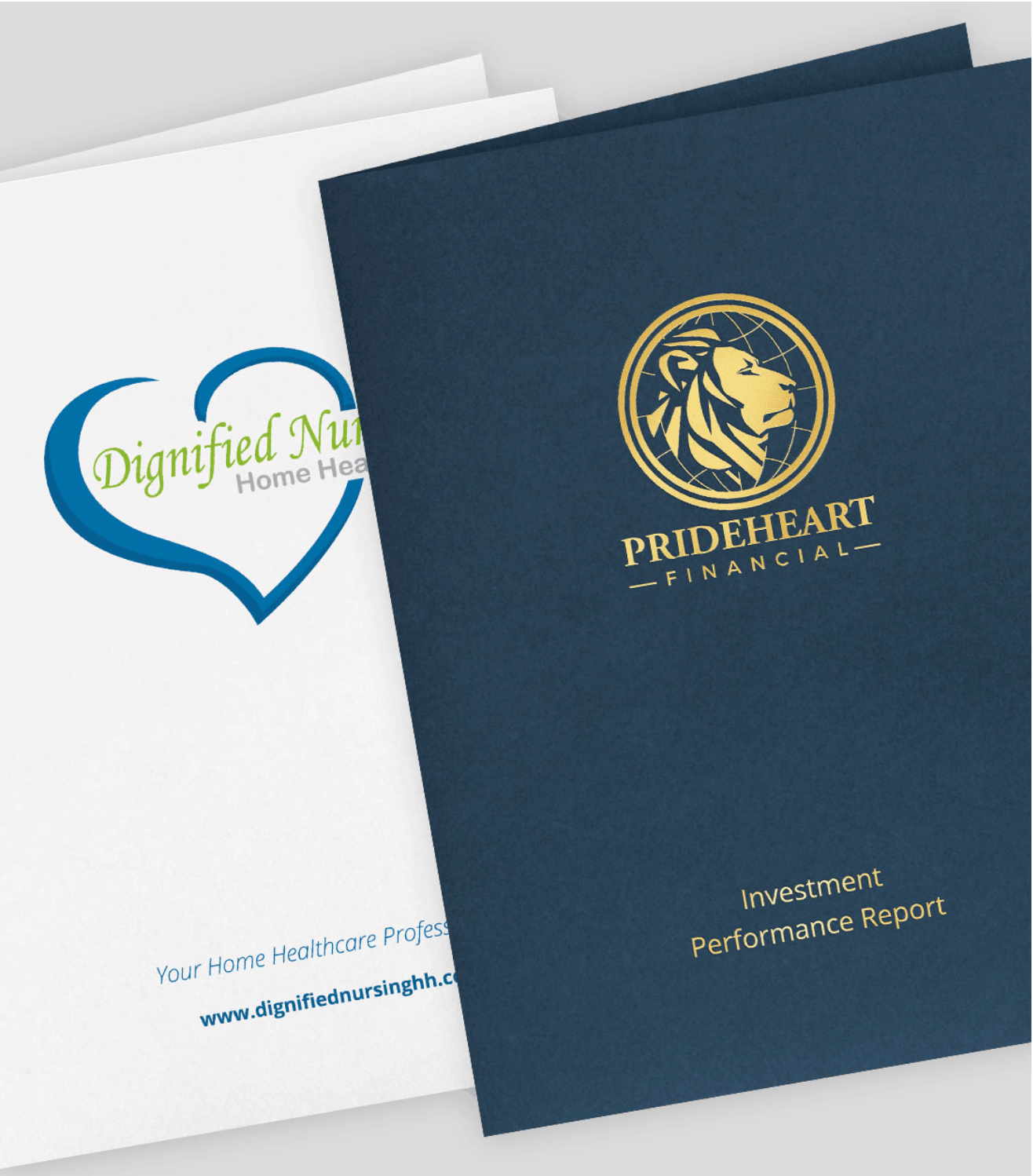
Presentation folders for sales meetings help sales teams stay organized, professional, and persuasive. In competitive B2B environments, how you present information directly influences how your company is perceived.
This guide explains how to use custom presentation folders strategically, what to include inside, and how they help move prospects confidently from pitch to signed agreement.
Why Presentation Folders Improve Sales Meetings
Well-structured meetings build trust.
Using a professional folder during a proposal discussion:
- Keeps materials organized
- Reinforces brand credibility
- Creates a polished leave-behind
- Signals preparation and attention to detail
Instead of handing out loose papers, you present a cohesive package. That structure strengthens confidence on both sides of the table.
What is a Presentation Folder?
A presentation folder is a branded folder designed to hold proposals, contracts, confidential information, and other important documents in one organized format.
Most 9” x 12” folders include:
- Two interior pockets
- A slot for a business card
- Custom printing on the cover
- Optional foil stamping or embossing
Businesses use them for proposal meetings, partnership discussions, onboarding sessions, and contract reviews.
How Presentation Folders Support the Sales Process
They Create Structure
Opening a folder at the beginning of a meeting establishes direction. It allows you to guide the conversation logically:
- The client’s challenge
- Your solution
- Supporting proof
- Pricing
- Next steps
That structure reduces confusion and builds authority.
They Strengthen Brand Perception
Custom presentation folders subtly reinforce stability and professionalism. When your logo, proposal, and documents align visually, your business appears organized and established.
For high-value services, perception plays a measurable role in buyer confidence.
They Improve Post-Meeting Recall
After the meeting, the prospect leaves with a single, organized reference. Instead of loose papers, they have a branded folder containing everything discussed.
That clarity makes follow-up easier and keeps your company top of mind.
What to Include In Presentation Folders for Sales Meetings
Keep contents purposeful and decision-focused. Keep contents focused and decision-driven.
Core documents:
- Executive summary
- Product or service overview
- Pricing sheet
- Timeline or implementation plan
- Case study
- Business card
Optional additions:
- FAQ sheet
- ROI comparison
- Industry-specific information
Each document should move the decision forward.
When to Use Presentation Folders in the Sales Cycle
Folders are especially effective during:
- Proposal presentations
- Corporate sales meetings
- Contract discussions
- High-ticket service consultations
- Trade shows and networking events
The larger the investment, the more presentation quality matters.
Design Elements That Elevate Professionalism
Quality materials reinforce quality service.
Professional presentation folders often include:
- Thick, durable stock
- Foil-stamped or embossed logos
- Clean, minimal layouts
- Deep interior pockets
Small details increase perceived value without overcomplicating the design.
Digital and Physical Materials Work Best Together
Digital proposals are efficient.
Physical materials are memorable.
A strong strategy:
- Send digital materials beforehand
- Use a branded folder during the meeting
- Follow up digitally with clear next steps
This layered approach reinforces your message across multiple touchpoints.
Elevating Your Sales Materials
If your sales team invests time building strong proposals, the materials holding those documents should reflect that effort.
Professionally crafted Presentation Folders help businesses present information clearly, reinforce branding, and support more confident sales conversations.
For continued relationship-building, pairing folders with thoughtful follow-up materials — such as branded business greeting cards (insert internal link) — can extend your impact beyond the meeting.
Frequently Asked Questions
They don’t replace selling skills, but they improve organization, credibility, and buyer confidence — all factors that influence decisions.
Most businesses use 9” x 12” folders to hold standard letter-sized documents.
Yes. Custom branding creates a more cohesive and professional impression than generic office folders.
Yes. Physical materials increase memorability and reinforce professionalism during in-person and hybrid meetings.
