A well-timed greeting card can do more for a business relationship than a dozen polished emails. Yet most companies either overthink the process or skip it altogether, missing one of the simplest ways to strengthen client loyalty and employee morale. Understanding greeting card etiquette 2026 expectations puts your business in a stronger position, whether you are sending holiday cards, celebrating milestones, or offering support during a difficult time.
At Gallery Collection, helping businesses send the right card at the right moment has been part of the mission since 1929. Here is a practical guide to getting it right every time.
Why Does Greeting Card Etiquette Still Matter for Businesses?
In a world where inboxes overflow daily, a physical card stands apart. A foil-stamped, embossed card with your company’s name on it can sit on a client’s desk for weeks. An email gets scrolled past in seconds.
But sending a card is only half the equation. How you send it, when it arrives, and what you write inside all shape how the recipient perceives your company. Poor timing or a generic message can undo the goodwill you intended to build. Good etiquette ensures your card reinforces trust, professionalism, and genuine appreciation.
For office managers, HR teams, and marketing departments, having clear rules for when to send greeting cards saves time, prevents missteps, and keeps business communication polished year-round.
What Are the Rules for Sending Business Holiday Cards?
Holiday cards remain the most popular category of business greeting cards, and for good reason. A thoughtful holiday card reminds clients and employees that you value the relationship.
Timing Your Holiday Cards
Holiday cards should arrive before the holiday, not after. For business Christmas cards and corporate holiday cards, aim to have them in the mail by the first week of December. Cards that arrive late feel like an afterthought.
If your company sends Thanksgiving cards, mail them at least a week before the holiday. New Year’s cards offer a smart alternative if you miss the December window; just make sure they arrive during the first week of January.
Planning your card order early, especially for personalized or logo-imprinted cards, prevents last-minute rush fees and ensures your cards look exactly the way you want them to.
Choosing Inclusive Holiday Greetings
One of the most important greeting card etiquette 2026 considerations is inclusivity. If you do not know your recipient’s beliefs, choose a non-denominational greeting. Phrases like “Season’s Greetings,” “Happy Holidays,” or “Warmest Wishes for the New Year” work well across cultural and religious lines.
For recipients who know and observe specific traditions, a targeted card can carry even more weight. Gallery Collection offers Hanukkah cards, religious Christmas cards, and Spanish-language holiday options, giving businesses a way to show real cultural awareness.
If you are unsure, a warm and neutral message paired with a premium card design communicates professionalism without risk.
When Should You Send Cards for Workplace Occasions?
Holiday cards get most of the attention, but year-round occasions offer equally powerful opportunities to build relationships with clients and employees. Knowing when to send greeting cards rules for these moments, keeping your outreach consistent and meaningful.
Birthdays and Work Anniversaries
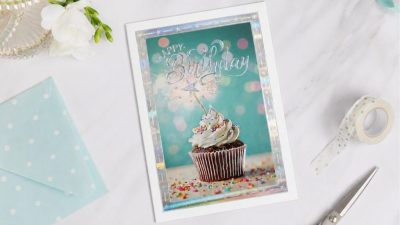
Birthday cards are one of the easiest ways to make employees and long-standing clients feel valued. Send them to arrive on or just before the birthday. For large teams, keeping a birthday calendar updated ensures nobody gets overlooked.
Work anniversary cards are especially effective for employee recognition. Acknowledging five, ten, or twenty years of service with a personalized card signals genuine appreciation, not just an HR checkbox.
Sympathy and Get Well Cards
Sympathy cards require the most care. Send them promptly, ideally within a few days of learning about the loss. Keep the message simple and sincere, and steer clear of phrases that attempt to minimize the loss.
Get well cards follow a similar guideline. Verify the nature of the situation before sending. A “Get Well Soon” card sent to someone with a long-term condition may feel tone-deaf. A “Thinking of You” card offers a safer, equally supportive alternative when you are unsure about details.
Thank-You and Congratulations Cards
Thank you cards work best when they arrive quickly. After a successful project, a client referral, or a major purchase, send a thank-you card within a week, while the moment is still fresh.
Congratulations cards are ideal for promotions, retirements, and business milestones. Time them to arrive within days of the event. A card celebrating a client’s company anniversary or a colleague’s promotion tells them you are paying attention.
How Should You Sign and Personalize a Business Card?
Signing a business greeting card might seem straightforward, but a few best practices can sharpen the impression it makes.
Always sign the card by hand, even if the inside message is pre-printed. A handwritten signature adds a personal layer that a printed name alone cannot match. If multiple team members are signing, keep the layout neat and legible. Gallery Collection’s guide to signing etiquette for business Christmas cards walks through specific scenarios for company-wide cards.
For cards going to clients, use the recipient’s preferred name and correct title. A card addressed to “Dear Mr. Williams” when the recipient goes by “Tom” in every interaction may feel overly stiff. Match the formality to the relationship.
Adding a brief handwritten note, even a single line like “Grateful for another great year working together,” transforms a standard card into something memorable. When your company logo and team signatures sit beneath a personally chosen sentiment, the card becomes a genuine brand touchpoint.
Gallery Collection also runs a Greeting Card Scholarship Contest that celebrates originality in card design, worth a look if your team values creative inspiration.
What Common Greeting Card Etiquette Mistakes Should You Avoid?
Even well-intentioned card programs can stumble. A few pitfalls worth watching for:
Sending identical cards to every recipient in a small, closely networked group makes the gesture feel impersonal. If clients or colleagues compare cards, identical designs with identical printed messages suggest mass production, not genuine thought.
Using printed mailing labels instead of handwritten or hand-addressed envelopes also undermines the personal feel. Mailing labels work for invoices, not for relationship-building correspondence.
Forgetting to proofread is another frequent issue. With handwritten notes, there is no spell check. Write your message on scrap paper first if spelling is a concern, and always double-check the recipient’s name before sealing the envelope.
Finally, sending cards too late for the occasion is often worse than not sending one at all. A holiday card that arrives in January signals disorganization rather than thoughtfulness.
Frequently asked questions
Absolutely. Choose a non-denominational card with a greeting like “Season’s Greetings” or “Happy Holidays.” Gallery Collection offers a wide range of inclusive holiday card options designed for exactly that purpose.
A handwritten signature is always recommended, even on cards with a pre-printed sentiment. For large orders, use a printed message and add a brief handwritten note to personalize each card.
Order well before November to allow time for customization, proofing, and delivery. Cards should be in the mail by early December for holiday arrivals.
Yes, sending a sympathy card to the employee is appropriate and appreciated. Keep the message brief and sincere. A professionally designed sympathy card communicates respect without overstepping boundaries.
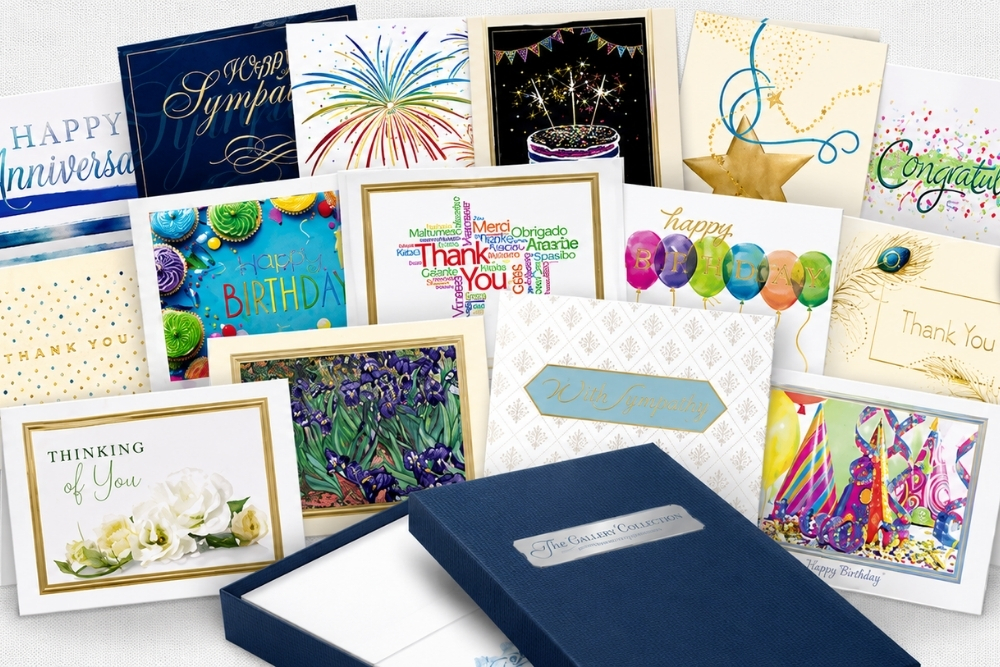
An all-occasion assortment box is a practical solution. Having birthday, thank-you, sympathy, and congratulations cards ready means your team can respond to any occasion without delay.